
What do you really know about tomatoes? There’s a lot more behind their color than meets the eye….
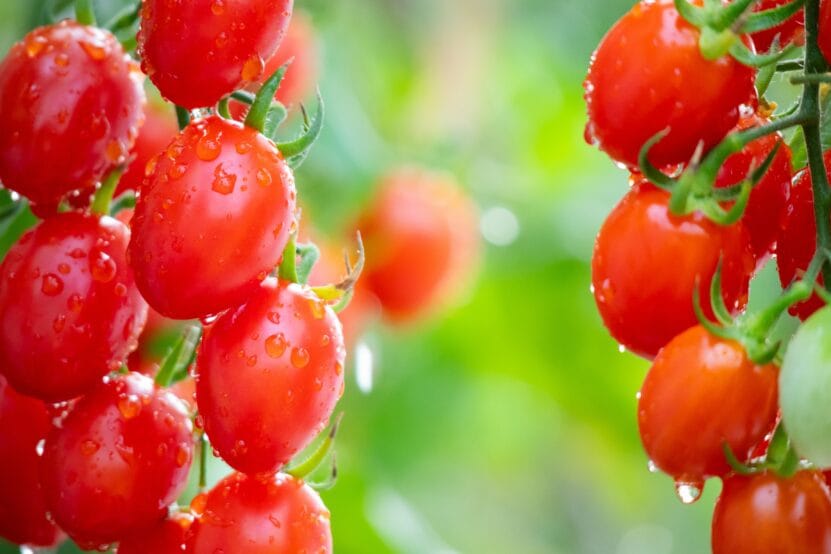

Tomatoes and their surprising variety of varieties, flavors, nutrients and kitchen uses.
Tomatoes seem very ordinary, but they are extremely versatile. From small sweet cherry tomatoes to hearty beef tomatoes, juicy vine tomatoes and deep San Marzano tomatoes for sauce, each variety has its own flavor, texture and use in the kitchen.
Tomatoes play a starring role in Mediterranean cuisine. They form the basis of gazpacho, sofrito, pasta sauce, shakshuka, salads, roasted vegetable dishes and simple bruschetta. Their strength lies precisely in that simplicity: a ripe tomato, some good olive oil, sea salt and fresh herbs can be enough.
1. Different types of tomatoes
Each tomato has its own character. Some are sweet and juicy, others firm and fleshy. Therefore, it is helpful to know which variety is best to use for salad, sauce, soup or oven preparations.

Cherry tomatoes: Small, sweet and juicy. Ideal for salads, oven dishes, lunch bowls and as a quick snack.
Vine tomatoes: Fresh and versatile. Suitable for everyday cooking: raw, in soup, in sauce or stewed.
Meaty tomatoes: Large, firm and meaty. Perfect for stuffing, slicing into thick slices or using in summer salads.
Roma or plum tomatoes: Less watery and often more intense in flavor. Great for tomato sauce, passata, stews and oven dishes.
San Marzano tomatoes: A well-known Italian tomato variety, loved for sauces for its full flavor, firm flesh and mild acidity.
Coeur de boeuf / ox heart tomato: Large and ribbed with soft flesh. Delicious raw with olive oil, mozzarella, basil or sea salt.I always use this one to cut as carpaccio with burrata and pesto
Yellow, orange and dark tomatoes: Provide color and flavor differences. Yellow and orange tomatoes tend to be softer and sweeter; dark tomatoes tend to taste deeper and spicier.
2. Nutritional value of tomatoes
Tomatoes are high in water and low in calories. They provide flavor, freshness and useful
nutrients without making a dish heavy.
Nutrient Contribution
Vitamin C, Potassium, Folate, Vitamin K, Lycopene, Fiber
Supports the immune system and helps protect the body from oxidative stress.
Contributes to normal muscle function and helps within a balanced
dietary pattern.
Important for cell production and normal growth and development.
Plays a role in blood clotting and bone health.
A natural red pigment and antioxidant found mainly in red tomatoes.
Help with satiety and support digestion.
Briefly:
Raw tomatoes are light, fresh and nutritious.
Per 100 g, they contain about 18 kcal and consist mostly of water.
3. Why are tomatoes healthy?
- They bring a lot of flavor without heavy sauces or lots of salt.
- They fit perfectly within a Mediterranean diet.
- They combine well with olive oil, improving the absorption of certain plant substances.
- They add color to your plate and make healthy dishes more appealing.
- They are easy to incorporate into salads, sauces, soups, oven dishes and stews.
4. Green tomatoes: kind or not yet ripe?
It depends. There are varieties of tomatoes that stay ripe green. So those are meant to be green
to eat and often have a fresh, slightly sour and spicy taste.
But many green tomatoes are simply unripe red tomatoes. These are firmer, more acidic and less
sweet. They are sometimes baked, pickled or made into chutney.
Practical rule for home:
- Ripe tomatoes: use plenty of them.
- Green tomatoes of a ripe green variety: fine.
- Unripe green tomatoes: prefer in moderation and preferably prepared.
- Leaves and stems of the tomato plant: do not eat them.
5. Are unripe green tomatoes poisonous?
Unripe tomatoes contain natural substances such as tomatin. In small amounts, green
tomatoes traditionally do get eaten, such as fried or pickled. Still, it is not wise to
eat large quantities of raw unripe tomatoes.
The difference with potatoes is important. With potatoes, especially green skin or sprouts can be
indicate increased levels of solanine. In tomatoes, it is mainly tomatin in green
plant parts and unripe fruit. Ripe tomatoes contain much less of these substances and are
normally considered safe.
Conclusion
Tomatoes are one of the finest basic ingredients in Mediterranean cuisine. They are light, nutritious, colorful and incredibly versatile. Whether you eat them raw in a salad, slow cook them into sauce or roast them with olive oil and herbs, tomatoes bring simplicity and depth together on one plate.
And green tomatoes? Those can be delicious, but it’s important to know the difference between a tomato that stays ripe green and one that just isn’t ripe yet.
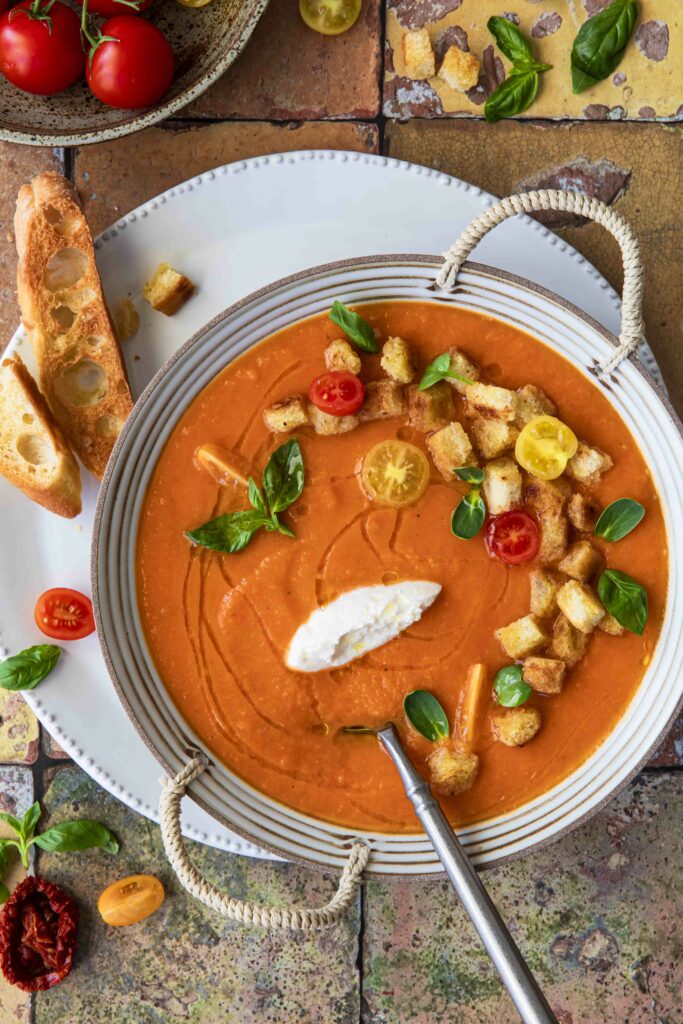
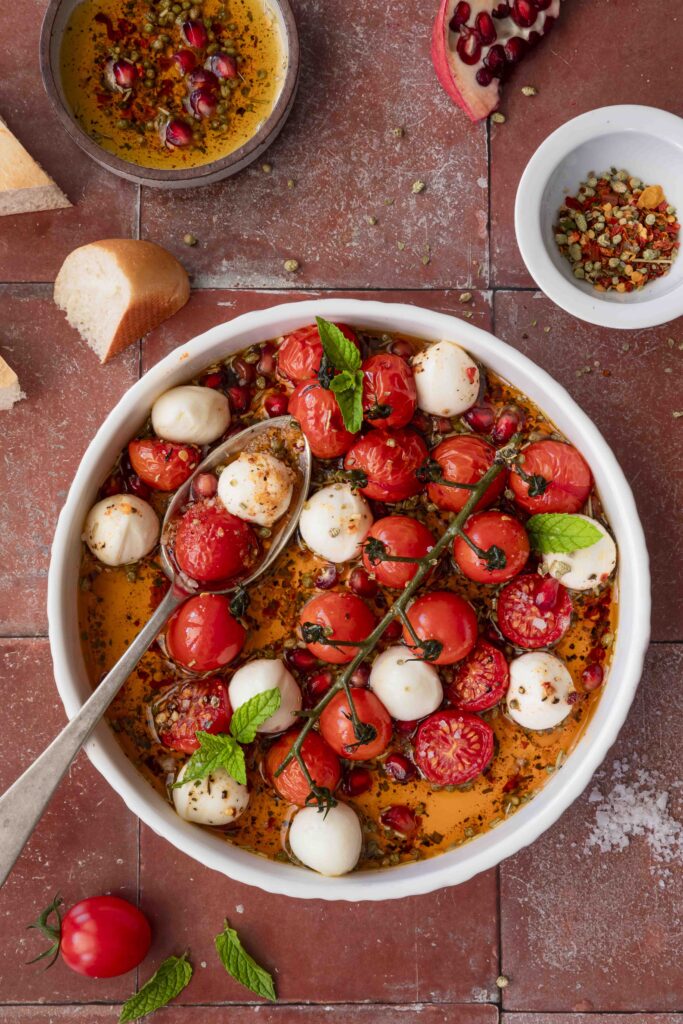
I give you some delicious recipes with tomatoes in advance:


Bekijk ook deze recepten


Download my E-book
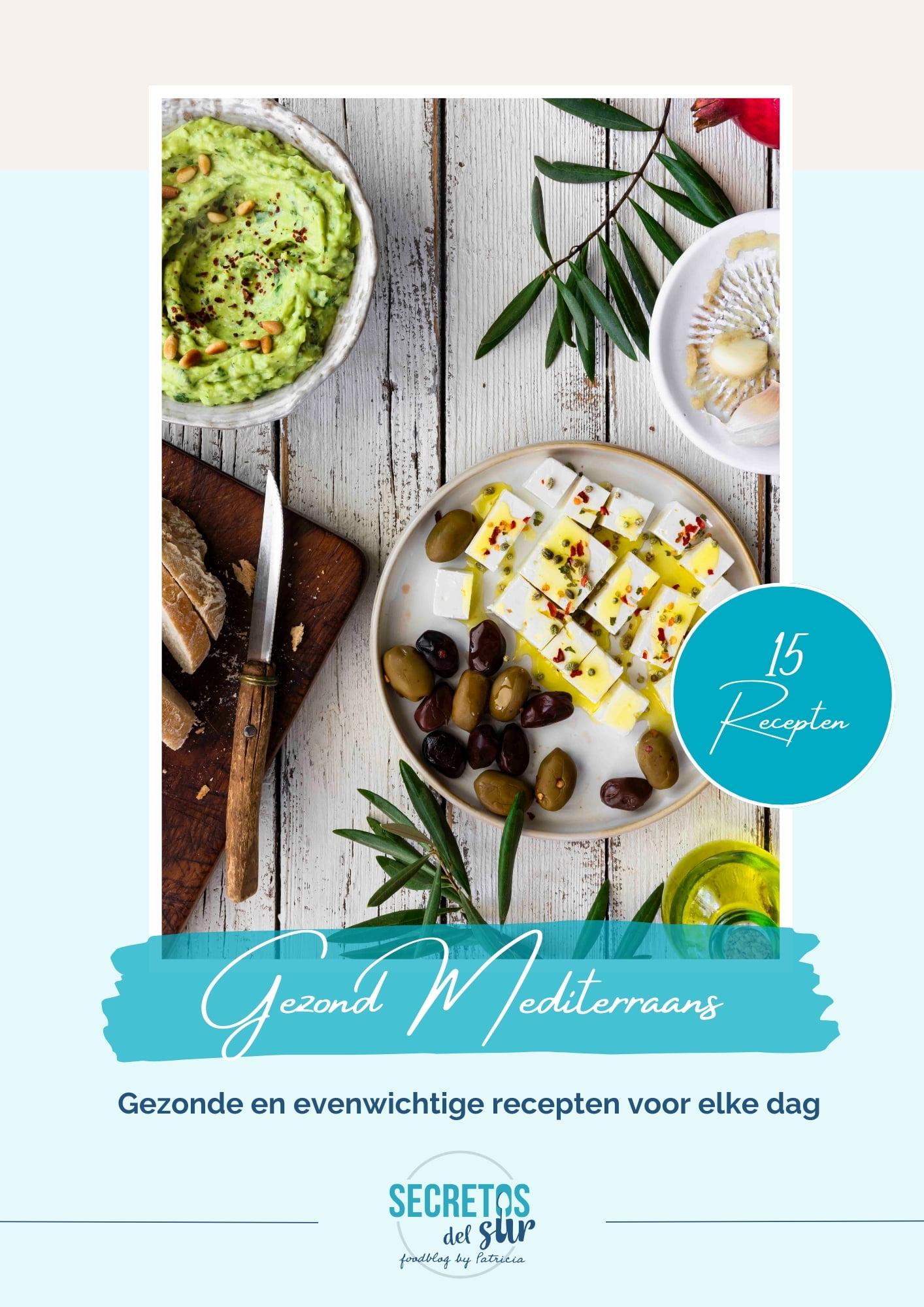
This booklet is my culinary ode to the Mediterranean cuisine; a collection of flavors and aromas that embody my passion for cooking, intended to inspire or enrich both the experienced chef and the home cook with the simplicity and purity of Mediterranean tastes. Easy recipes, accessible to everyone, and with a broad palette of flavors.
Order here
Foodblog
by Patricia
I am Patricia, energetic 40'er, architect, business manager and food blogger. Living in Andalusia but from Flanders - Belgium. Mother of 2 active and creative kids who, together with my husband Geert, form the tasting team of the first order!
Cooking has become a passion. Everything starts with devising an original recipe and that’s when my love for food photography & styling comes across…
In my blog you will get to know my healthy Mediterranean fusion cuisine!
Buen provecho!
Nieuwsbrief
Subscribe to our newsletter and stay informed about the latest news and amazing recipes.


Leave a Reply